Provincial Casino Layouts Integrating Roulette Wheels and Keno Lounges for Extended Resort Stays
Casey Albrecht · Sep 30, 2026
Provincial Casino Layouts Integrating Roulette Wheels and Keno Lounges for Extended Resort Stays
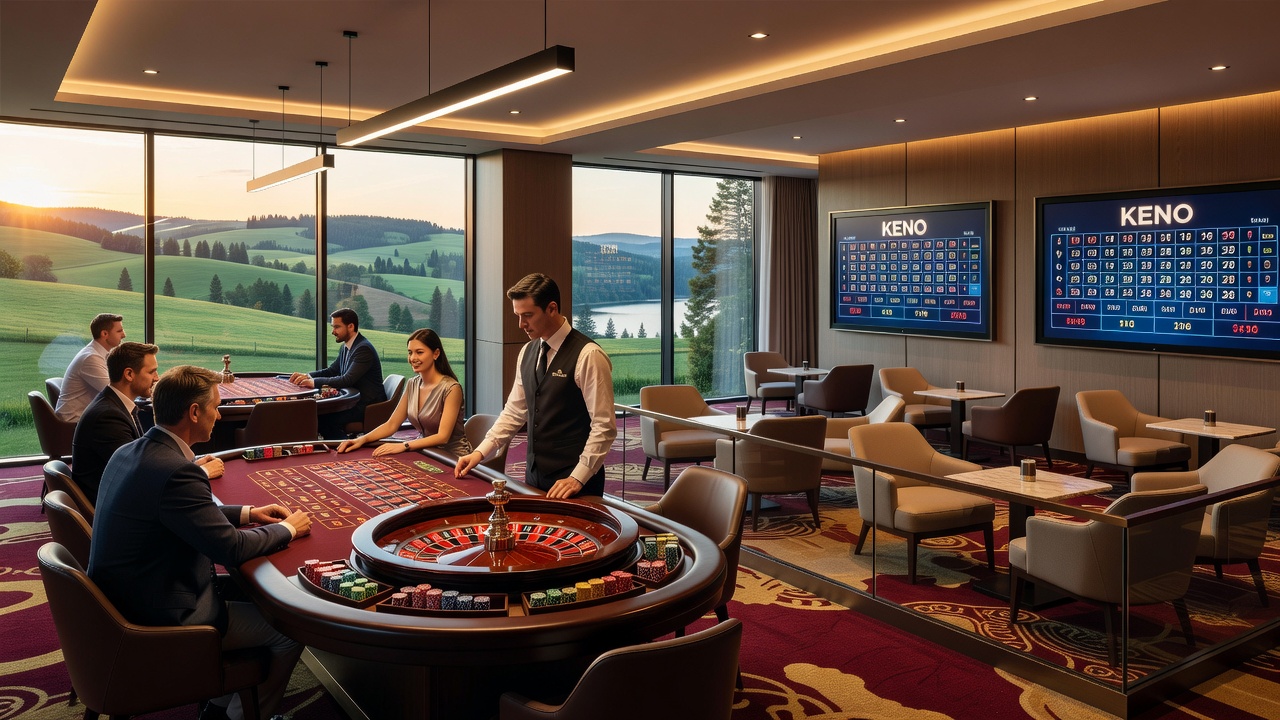
Provincial casino operators across multiple regions arrange roulette wheels in close proximity to dedicated keno lounges, creating continuous play zones that support longer visitor durations at resort properties, and data from industry reports shows these configurations appear in facilities where guests remain on site for multi-day periods. Designers position the roulette tables near keno areas because both games operate at different paces, allowing players to alternate between fast-paced wheel spins and slower number-selection draws without leaving the immediate vicinity, while architectural plans often include shared seating clusters, drink service stations, and direct pathways that reduce travel time between the two sections.
Core Elements of These Integrated Floor Plans
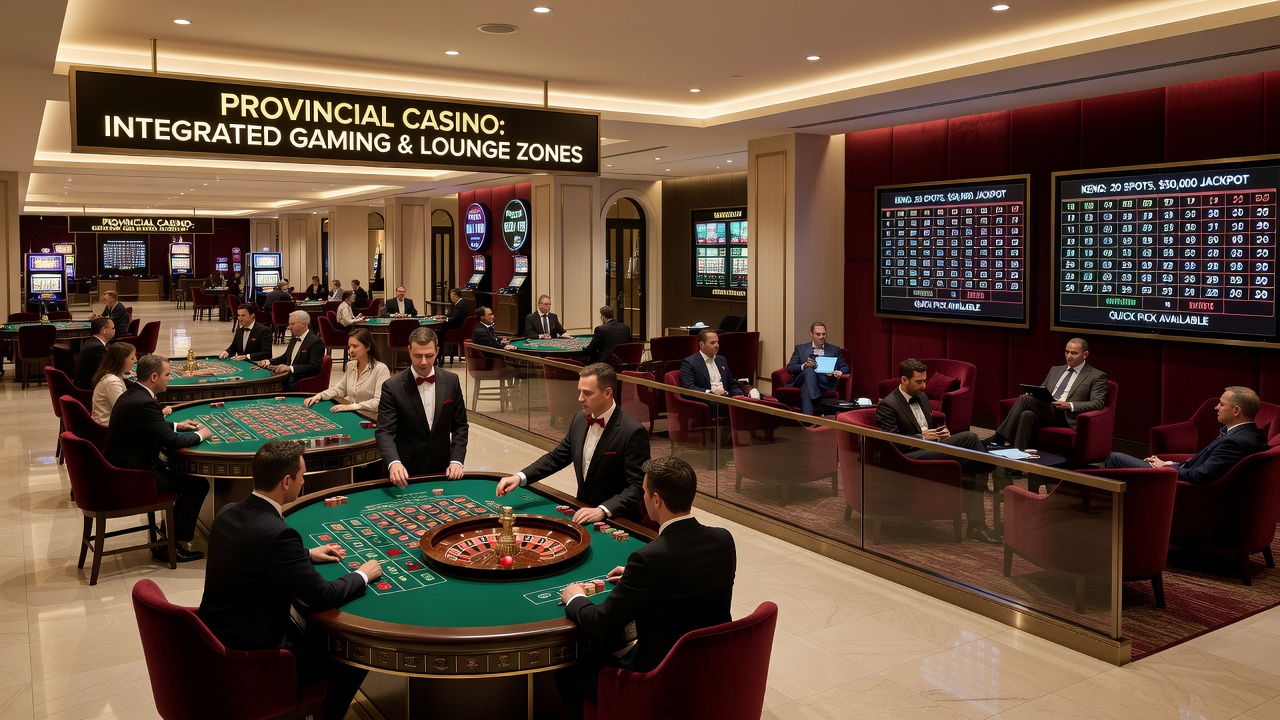
Engineers and gaming consultants map out these layouts by placing roulette stations along the perimeter of keno lounges, which contain rows of electronic terminals and live draw boards, and this arrangement creates natural flow patterns where individuals can observe one game while participating in the other. Observers note that many provincial properties incorporate low barriers or open sightlines rather than solid walls, maintaining visual connection that encourages extended sessions, and measurements from facility blueprints indicate typical distances between a roulette wheel and the nearest keno terminal range from 15 to 30 meters in optimized designs.
Resort operators add amenities such as nearby restrooms, quick-service counters, and charging stations within these paired zones, and records from property management systems reveal that guests who start in these sections tend to extend their on-site time by several hours compared to those using isolated gaming areas. Lighting levels stay consistent across both roulette and keno spaces, while sound systems deliver game announcements at matched volumes, reducing the need for visitors to relocate when switching activities.
Regional Variations in Provincial Implementations
Facilities in different provinces adapt the basic pairing to local regulations and visitor demographics, with some locations expanding keno lounges to include multiple draw frequencies that complement roulette table minimums, and industry data indicates these adjustments align with seasonal resort occupancy peaks. In one documented case, planners added adjacent lounge seating that accommodates groups, allowing companions to remain together while one person plays roulette and another engages with keno terminals, and traffic studies at these sites confirm reduced congestion during evening hours.
September 2026 marks the scheduled rollout of updated accessibility guidelines in several provinces that will influence how these paired zones incorporate wider pathways and adjustable seating heights, and preliminary design documents already incorporate these requirements to maintain compliance without disrupting established player movement patterns. Government agencies in North America and regulatory bodies in Australia have published comparative studies on similar configurations, showing measurable increases in average stay length when roulette and keno areas share direct adjacency.
Operational Factors Supporting Longer Resort Visits
Property managers coordinate staffing so that roulette dealers and keno attendants cover overlapping shifts, which minimizes wait times and keeps the paired areas active throughout resort operating hours, and revenue tracking software captures how these efficiencies contribute to higher per-guest spending on food, beverages, and accommodations. Maintenance schedules align across both game types because the physical proximity allows single teams to service equipment in sequence, and downtime records indicate fewer interruptions when technicians handle adjacent stations during the same service window.
Resort marketing materials highlight these integrated gaming sections as part of multi-day package offerings, and visitor surveys collected by independent research firms document that participants cite convenience between roulette and keno as one factor in choosing extended bookings. Digital wayfinding apps used at these properties direct users from hotel towers straight to the paired zones, and usage analytics show frequent returns to the same areas across consecutive days of a stay.
Future Adjustments and Industry Data
Planning documents for 2026 and beyond reference ongoing refinements to these layouts based on player flow metrics collected through sensor networks installed in provincial casinos, and figures from gaming associations reveal gradual expansion of keno lounge capacity near roulette sections in response to measured demand. External analyses from sources such as the Canadian Gaming Association and reports issued by the Nevada Gaming Control Board provide benchmarks on how proximity between these specific games correlates with resort occupancy rates across different jurisdictions.
Architectural firms continue to test variations that include semi-private keno pods positioned within sight of main roulette wheels, allowing for both social and focused play styles, while preserving the overall goal of keeping visitors engaged on property for additional nights. Updated energy management systems now tie lighting and climate controls in these zones to occupancy sensors, which supports continuous operation without excess resource use during shoulder periods.
Conclusion
Provincial casino layouts that position roulette wheels near keno lounges rely on measured distances, shared amenities, and coordinated operations to facilitate extended resort stays, and available records from multiple regulatory regions document consistent patterns in how these designs function. As properties prepare for guideline updates in September 2026, the core principle of adjacency between these two gaming formats remains central to supporting longer visitor durations at integrated resort locations.