Resort-Based Keno Systems and Poker Event Coordination at Isolated Gaming Sites
Riley Krause · Oct 28, 2026

Resort-Based Keno Systems and Poker Event Coordination at Isolated Gaming Sites
Resort properties in remote locations have integrated keno circuits as core gaming offerings that operate alongside poker tournaments, creating scheduling frameworks where both games share resources such as floor space, staff, and promotional calendars. Data from industry reports shows that these circuits function through networked terminals that draw numbers at set intervals, allowing resorts to maintain continuous play even when poker events occupy main tournament areas during peak periods.
Structure of Keno Circuits at Resort Properties
Keno circuits at isolated resorts typically connect multiple terminals across hotel floors, poolsides, and dining areas to centralized drawing systems that run every few minutes. Operators coordinate these draws with poker event timing so that large tournaments do not overlap with high-traffic keno sessions, which researchers note helps maintain steady revenue streams from both casual players and serious gamblers. Properties in regions like the American Southwest have documented this approach since the early 2000s, with systems expanding to include mobile apps that let guests participate without leaving their rooms.
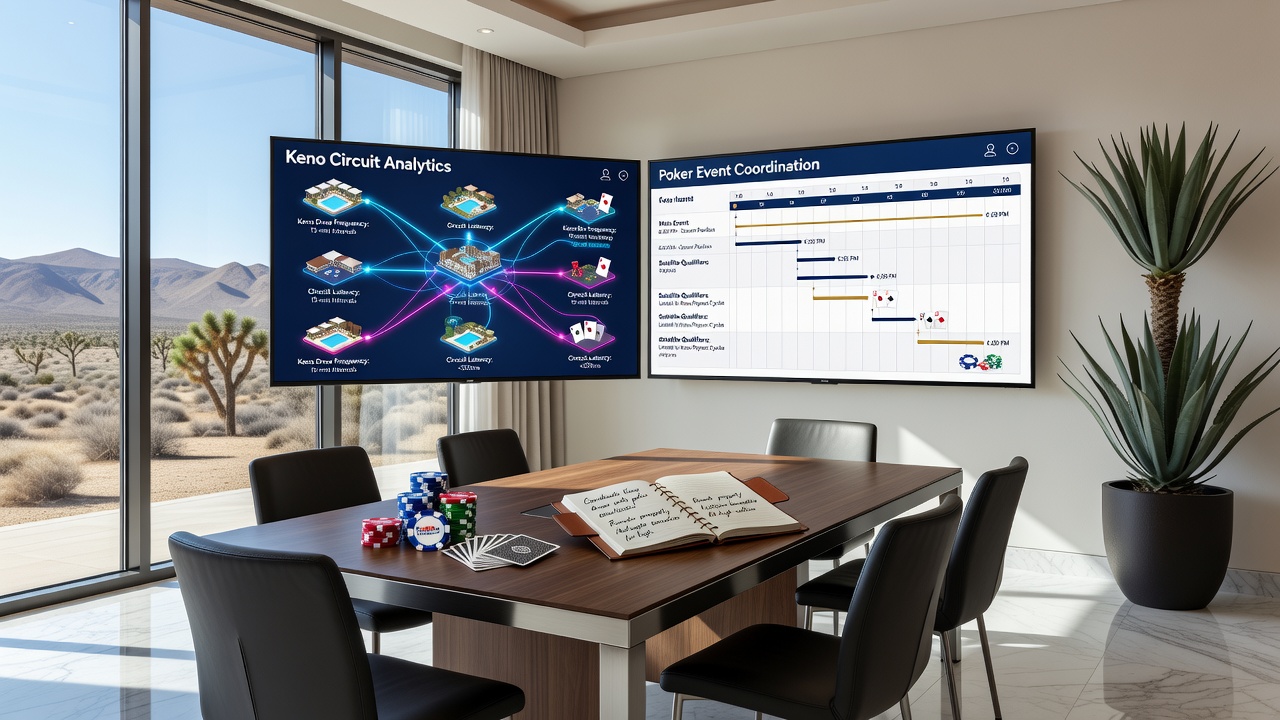
Remote sites often schedule keno drawings during morning and afternoon hours when poker tournaments focus on registration and early rounds, whereas evening blocks shift emphasis to final tables and side events. This pattern appears in operational logs from multiple properties where management teams adjust keno frequency based on poker bracket sizes, and evidence from gaming association data indicates that such adjustments reduce equipment conflicts and improve player flow between sections.
Connections Between Keno Operations and Poker Scheduling
Poker event planners at remote resorts examine keno circuit demands when setting start times for multi-day tournaments, since keno terminals require dedicated electrical and network capacity that sometimes overlaps with poker registration desks. Observers have noted that properties coordinate these elements through shared software platforms that track both game types simultaneously, allowing staff to reallocate dealers and floor managers without disrupting either activity. In October 2026 several resorts plan to host combined promotions where keno jackpots trigger additional poker satellite entries, a tactic that builds on existing circuit data showing increased participation when games link together.
Those who study resort operations point out that keno circuits provide reliable filler revenue during slower poker periods, such as mid-week qualifiers, while poker events drive foot traffic that benefits keno terminals located near tournament entrances. Figures from regulatory filings reveal that properties maintaining tight integration between the two formats report more consistent daily averages than sites treating them as separate revenue centers. Resorts in Australia and parts of the United States have adopted similar models, with each region adjusting timing based on local player demographics and seasonal travel patterns.
Examples from Remote Resort Locations
Properties situated far from major population centers rely on keno circuits to attract guests who prefer quick-draw games over the longer commitment required by poker tournaments. One documented case involves a Nevada resort that aligned its nightly keno drawings with the conclusion of afternoon poker satellites, creating a natural transition point where players move between activities without leaving the gaming floor. Similar coordination appears at Canadian mountain resorts where winter tourism supports both game types, and scheduling data shows keno draws filling gaps between multi-table poker events.
Industry organizations such as the Nevada Gaming Control Board track these integrated operations through monthly reports that detail terminal counts and event overlaps. Remote sites in other jurisdictions follow comparable practices, with planners using historical attendance figures to set keno intervals that complement rather than compete with poker structures. This approach allows resorts to maximize limited space and staff resources while meeting player expectations for varied gaming options throughout their stays.
Operational Considerations and Resource Sharing
Resort management teams balance keno circuit maintenance with poker tournament logistics by sharing technical support teams and promotional budgets. Research indicates that properties scheduling major poker festivals in October often increase keno terminal density in adjacent lounges to capture overflow interest, and this tactic appears in planning documents from multiple remote locations. Keno systems require regular hardware updates that coincide with poker software upgrades, which creates windows where both operations pause for synchronized maintenance and avoid separate downtime periods.
Those responsible for remote property operations examine weather-related travel disruptions when finalizing combined schedules, since delayed arrivals affect both keno participation and poker registration numbers. Coordination extends to marketing materials that bundle keno and poker promotions, a strategy that data from trade groups shows improves cross-game engagement at isolated venues where guests spend extended periods on-site.
Conclusion
Resort-based keno circuits maintain ongoing ties to poker event scheduling at remote properties through shared infrastructure, coordinated timing, and joint promotional efforts. Operational data from regulatory sources and industry records demonstrates that these connections allow properties to optimize revenue across both game types while managing limited resources efficiently. Properties continue to refine these frameworks as new scheduling tools and player preferences emerge, particularly around events planned for October 2026.